


















Grey route detection for enterprise buyers
Grey route detection for enterprise buyers
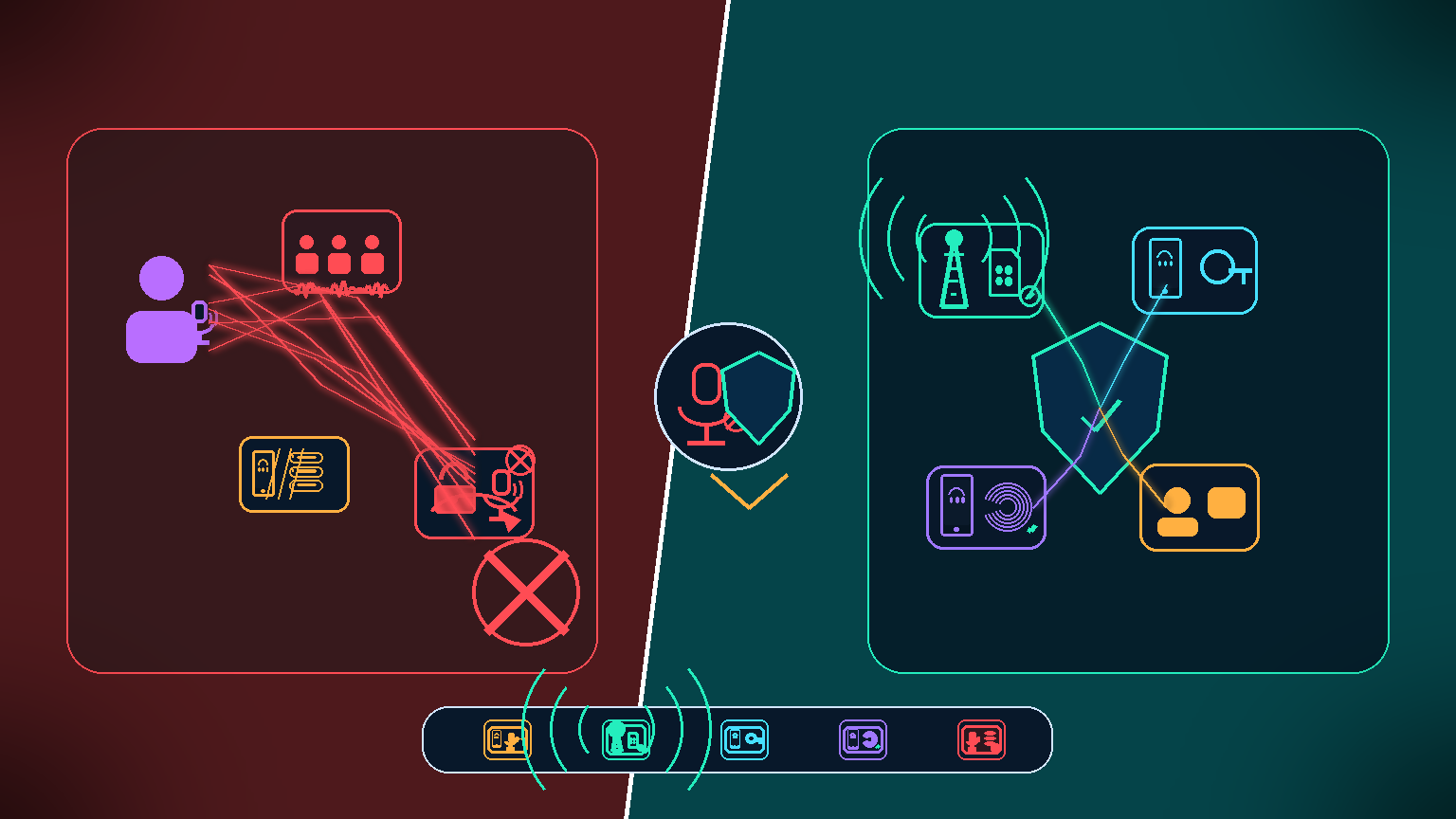
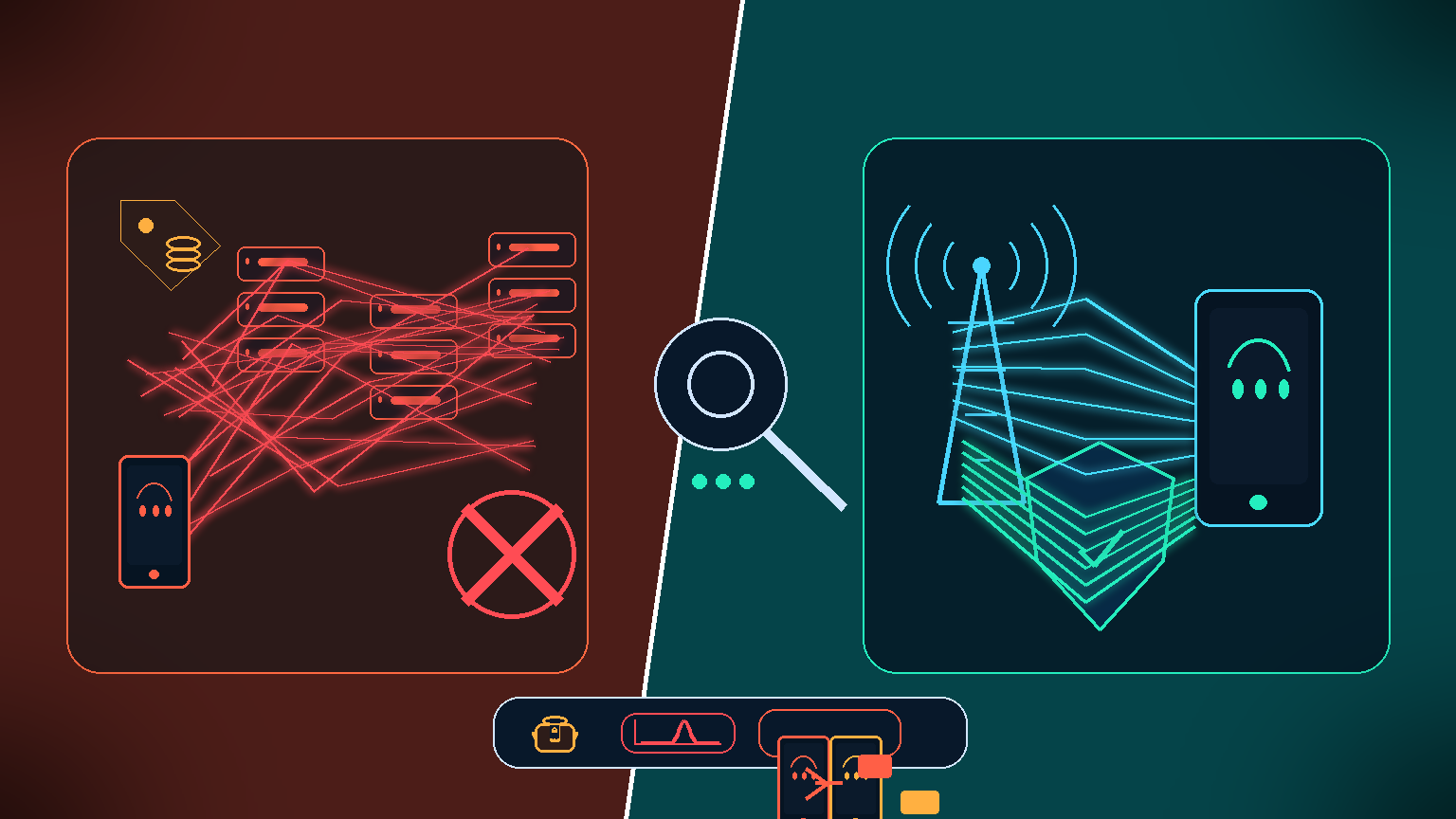
A grey route is A2P traffic that terminates on a mobile network as if it were peer-to-peer traffic. It dodges the A2P termination fee and, with it, the A2P sender-ID filtering, the fraud screening, and the DLR-fidelity guarantees that terminating operators apply to legitimate A2P. The buyer sees a lower price, sometimes by a meaningful margin, and unit-cost pressure inside any growth-stage enterprise eventually raises the question: is our provider terminating on grey routes, and what exactly are we paying for?
Very few A2P contracts disclose the route class per destination with enough specificity for the buyer to know. This post describes how grey routes work, what a buyer-side audit looks like, and the contractual and technical language that distinguishes a route-honest provider from one whose economics depend on opacity.
What a grey route actually is
Every A2P SMS has to reach a terminating operator. In the normal path, the submitter sends via an authorised aggregator or directly to the terminating operator's SMSC over SMPP, paying the A2P termination fee set by that operator. The terminating operator recognises the traffic as A2P, applies its sender-ID filtering against its registry, runs its AIT-detection pipeline, and delivers the message through the terminating MSC. The DLR chain reflects a full MAP MT-Forward-SM delivery event.
In the grey-route path, the submitter's traffic reaches the terminating operator through an interconnect that classifies the traffic as P2P (person-to-person messaging, which historically terminated at much lower rates than A2P because P2P was expected to be subscriber-originated and inherently rate-limited). The traffic passes through an aggregator that strips, masks, or fails to populate the metadata that would let the terminating operator recognise it as A2P: no valid A2P sender-ID registration, no distinguishing submission-origin metadata, sometimes a P2P-like source pattern that evades the operator's classifier.
The economics are asymmetric. The submitter pays the grey-route aggregator a price below the A2P termination fee. The aggregator pays the interconnect at the P2P rate, keeps the margin, and routes as much traffic as possible before the terminating operator's anti-grey-route mechanisms catch on and force a renegotiation or a block. When the operator does catch on, the aggregator shifts to a different interconnect, often in a different country, and the cycle repeats.
The costs buyers pay without realising
A grey-route contract looks like a lower unit cost. The actual cost is higher, because the bypass loses several services that come with legitimate A2P termination.
Delivery is less reliable: terminating operators increasingly deploy anti-grey-route classifiers at their SMSC layer. When a route is identified as grey, messages on it face higher block rates, aggressive rate limiting, or outright refusal. The submitter's delivery rate drops, sometimes visibly in the dashboard, sometimes quietly through a shift in delivery class where the aggregator reports "delivered to SMSC" when the message was silently dropped (the same fabrication pattern described in our DLR fabrication post).
Sender-ID integrity is unreliable: grey-route traffic does not go through the terminating operator's sender-ID registry check. A message can arrive at the handset with a sender ID the brand has not registered, because the check that would catch it is precisely the check the grey route avoids. Brands running on grey routes have no recourse when their sender ID is spoofed by third parties on the same grey infrastructure.
Fraud screening is absent: A2P anti-fraud (AIT filtering, SMS-pumping detection) is applied at the terminating operator's A2P intake. Grey-route traffic does not pass through that intake. Buyers on grey routes are more exposed to fraud volume inflating their own message flow because the filtering layer they expect to be paying for was bypassed. The broader pattern of non-service-related signalling as a commercial revenue surface for operators, and the anti-fraud carve-outs that surface sustains, is documented in the signalling-economics literature.
Regulatory exposure: in jurisdictions where the regulator has criminalised unauthorised A2P routing, a buyer whose provider terminates on a grey route may face fines, audit obligations, or worse. UAE TDRA, Saudi CITC, and increasingly the Nigerian NCC have moved toward treating grey-route termination as a compliance offence for the sending party, not just the aggregator.
The signals a route is grey
Several signals, observed at the buyer side, are consistent with grey-route termination. None is definitive on its own. In combination they are strong.
Unusually low unit price: A2P termination fees are set by the terminating operator, are publicly known in most markets, and have fairly tight bands. A provider offering a price substantially below the known A2P termination fee for a destination is either subsidising the traffic, operating at a loss, or routing around the A2P termination.
Inconsistent DLR latency and failure-code distribution: grey-route DLRs are often synthesised rather than observed, and the statistical fingerprints described in our DLR-fabrication post apply here. A route that delivers with a suspiciously tight latency distribution or a narrow failure-code vocabulary is a candidate for forensic review.
Sender ID arrives stripped or altered on the handset: a message submitted with a specific alphanumeric sender ID that displays on the handset as a different value, a numeric short code, or a generic string suggests the sender ID was rewritten somewhere on the route. On direct A2P routes this rewrite is unusual. On grey routes it is common.
Per-destination delivery rate is volatile: a grey route's relationship with the terminating operator is inherently unstable. Weeks of high delivery can flip to weeks of poor delivery when the terminating operator changes its classifier. Direct A2P routes are either consistently good or consistently bad on a given destination, rather than oscillating.
Origin country does not match destination country expectations: legitimate A2P termination paths are often well-known per destination. Traffic arriving at a Nigerian MSC from an origin that historical A2P flows for that brand do not use is a signal worth auditing.
What a buyer-side audit looks like
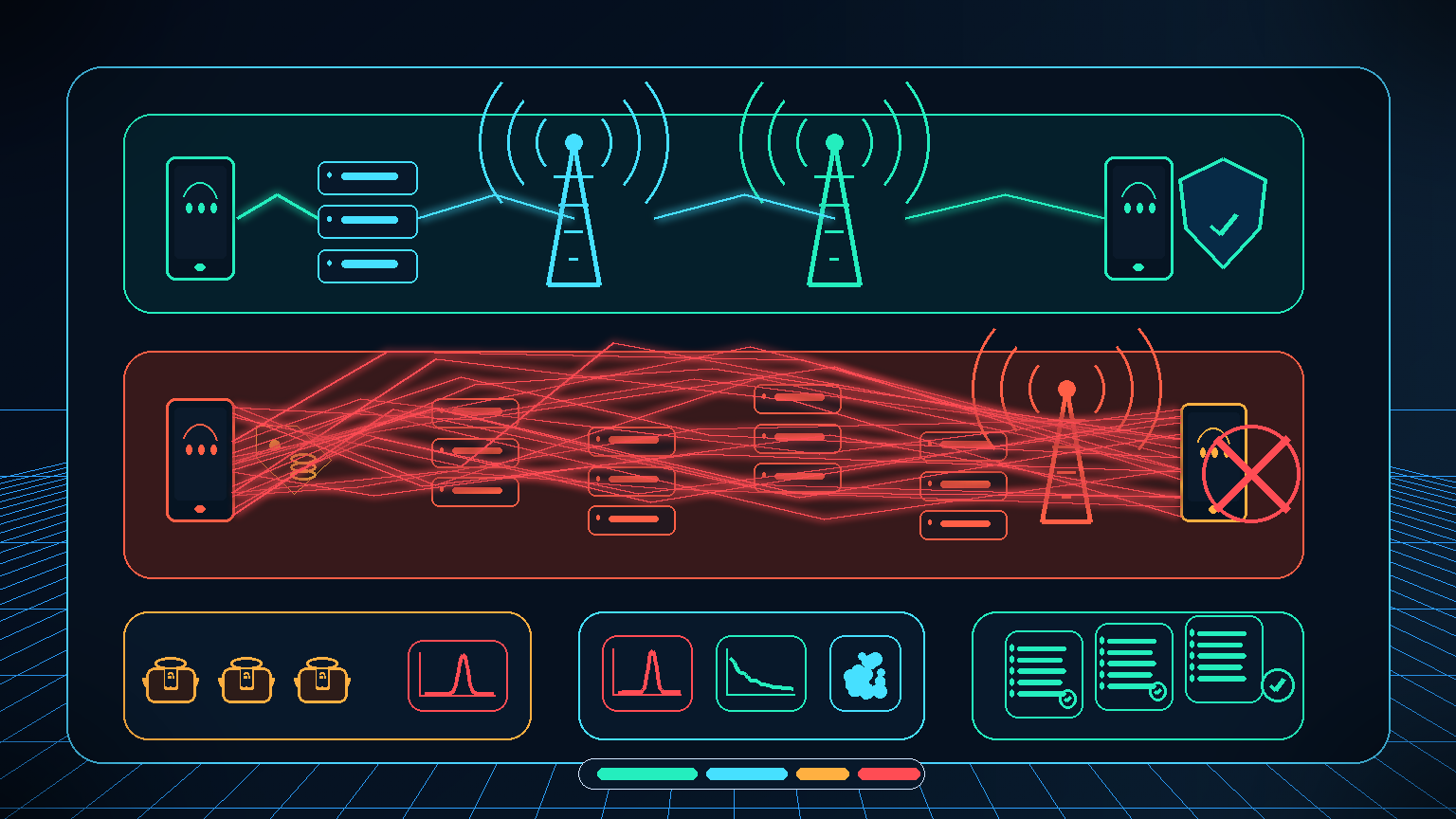
A structured audit applies four kinds of instrumentation.
Honeypot subscriber numbers: the buyer maintains a small set of subscriber numbers in each target market. The audit periodically sends test messages to these numbers through the production A2P path and compares what the submitter reports as delivered against what the honeypot handsets actually receive. Discrepancies like deliveries claimed but not received, sender IDs rewritten, or latencies deviating from baseline are captured and flagged. The honeypot approach is the single most reliable route-integrity audit. Every other audit is a secondary check on the honeypot.
Statistical monitoring of DLR streams: the buyer's own infrastructure tracks the distribution of DLR latencies, failure codes, and time-of-day delivery patterns. A shift in any of these distributions against the baseline, within a specific destination, is the statistical correlate of a route change at the provider side. Documented fraud-detection research on telecom traffic applies exactly this kind of feature-distribution monitoring at the route level.
Per-destination price reconciliation: the buyer maps the per-message unit price charged by the provider against published A2P termination rates per destination. Gaps of more than a plausible aggregator margin are a financial signal of grey-route routing. This is the least forensic of the approaches but the easiest to automate at scale.
Regulator-side complaint trails: in markets with sender-ID registration regimes, the regulator or the operator-side A2P authority maintains a complaint process for sender-ID spoofing. A buyer running on direct A2P routes who has not registered with the regime is exposed by default. A buyer who has registered and is still seeing spoofs is learning something about the grey-route activity targeting their brand in that market.
The contract language that matters
An enterprise A2P contract drafted carefully includes at minimum five clauses.
Per-market route-class disclosure: for each destination country, whether termination is via direct MNO interconnect, authorised aggregator, or best-effort, with the specific class stated and the specific operator or aggregator named where commercially permissible.
Sender-ID registration obligations: for each destination with a registration regime, the provider commits to filing the buyer's IDs, maintains the filings, and takes responsibility for escalating spoofing complaints. Buyers should refuse contracts that shift this responsibility onto them without support.
Delivery-class specification: the contract specifies which class of DLR is delivered per destination (SMSC-accepted, buffered, delivered-to-SMSC, or handset-level) and how the provider reports that class. Buyers should refuse the single-field "delivered: true" boolean when handset-level confirmation matters to the use case.
No-grey-route commitment with audit rights: the provider commits in writing that termination is not on grey routes in the specified markets, and the buyer retains the right to conduct honeypot audits without prior notice. Providers unwilling to accept either clause have answered the routing-practices question implicitly.
Price-breakdown transparency: the unit price is broken down into interconnect, routing, and margin components per destination. The breakdown does not have to be publicly disclosed, but it should be in the contract and reviewable by the buyer's procurement.
How Tensormobile handles route disclosure
A licensed operator terminating its own traffic, or holding direct SMPP interconnects with terminating operators, sits in a different position on grey-route exposure. The operator cannot accidentally be running a grey route because it is the termination endpoint. What it can do is decline to accept grey traffic inbound, which is a separate concern from outbound termination.
For buyers, a route that passes entirely through licensed operators with direct interconnects is the highest-fidelity route class available. Each hop adds a provenance claim the buyer can audit. Each licensed operator in the chain carries regulatory obligations that a grey-route aggregator does not. Misconfigurations happen and edge cases exist, but the floor is higher than any chain that includes grey-route hops.
For every destination TensorConnect serves, Tensormobile publishes the route class: direct MNO interconnect, authorised aggregator, or best-effort. The terminating operator name is published where commercially permitted. Per-destination delivery-class distribution is exposed in the integrator dashboard, and audit-rights clauses are accepted in enterprise contracts.
For markets where only best-effort routes exist (typically markets with unstable aggregator relationships and no direct interconnect options), Tensormobile says so. Claiming "global A2P coverage" without qualification is the kind of claim the research literature has documented as unreliable for years. Accurate coverage is partial coverage with the gaps named.
For an enterprise buyer reading one clause of an A2P contract, the route-class disclosure is the one to read first. Unit price, SLA, and reporting cadence depend on whether the route is what the provider says it is. The route-class disclosure is where that question gets answered, in language the buyer can verify.